
A Closer Look at How LXHTR Is Approaching High-Temperature Insulation in Industrial Settings
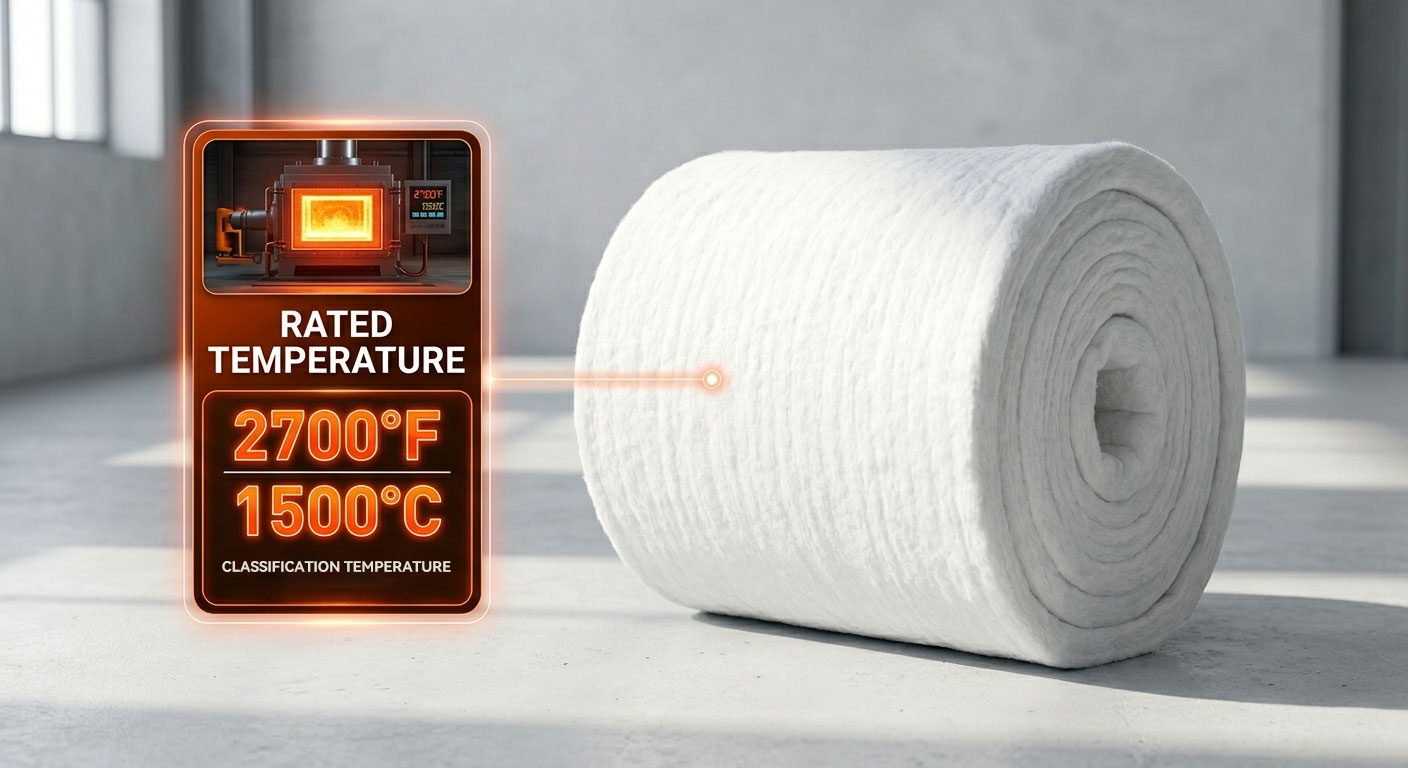
Ceramic fiber blanket rated for 2700F 1500C high temperature resistance
Against this backdrop, LXHTR has been developing a range of industrial insulation solutions that appear to reflect this shift toward more flexible and application-specific design in high-temperature environments.
Rather than focusing solely on material supply, the company’s offering spans several practical use cases within the broader field of industrial insulation systems. Among them are insulation covers designed for molten metal launders, modular high-temperature curtains used as protective barriers in workshops, and detachable pipeline systems that integrate insulation with identification features. The company’s portfolio also extends to high-temperature sealing and protection solutions for critical zones such as burner systems and electrode interfaces, where thermal resistance and material durability are particularly important.
From Fixed Structures to More Flexible Systems
In traditional setups, insulation solutions—particularly in high-temperature zones—have often relied on rigid or semi-permanent structures. While effective in certain contexts, these approaches can present challenges in terms of handling, maintenance, and adaptability.
LXHTR’s insulated launder covers, for example, are designed to be relatively lightweight and removable. In molten metal transfer processes, where open launders can lead to heat loss and fume escape, such designs may offer a balance between thermal performance and operational convenience.
A similar trend can be observed in the use of heat shield curtains. These are typically deployed in areas where radiant heat, sparks, or dust need to be managed without introducing fixed barriers. Their modular nature allows them to be configured or repositioned depending on workflow requirements, which may be particularly relevant in dynamic production environments.
Combining Functionality in Pipeline Systems
Another area where design considerations are shifting is pipeline insulation. In many industrial facilities, insulated pipelines also require clear identification for safety and maintenance purposes.
LXHTR has introduced detachable insulation covers that incorporate labeling or identification elements directly into the insulation system. While relatively straightforward in concept, this integration may help reduce the need for separate marking processes and simplify on-site management.
The Ongoing Role of Standard Materials
Despite the move toward more engineered solutions, conventional insulation materials remain widely used. Ceramic fiber blankets, in particular, continue to serve as a baseline material across a range of high-temperature applications.
LXHTR supplies ceramic fiber blankets in standard formats, with thicknesses typically ranging from 6 mm to 50 mm. Depending on composition, these materials are generally suited for sustained use in environments between approximately 800°C and 1350°C, and are commonly applied in furnace linings, equipment insulation, and fire protection systems.
At the same time, customization appears to be an important aspect of their offering. Adjustments in density, size, and material formulation can be made to align with specific operating conditions, reflecting the variability seen across industrial applications.
According to Yang, a technical supervisor at LXHTR, customer expectations have been gradually shifting in recent years.
“There’s a growing emphasis on solutions that are easier to install and remove, especially in environments where maintenance access is critical,” Yang said. “In that sense, modular and detachable designs are getting more attention, alongside traditional insulation materials.”
He noted that while performance remains a baseline requirement, factors such as handling efficiency and adaptability are becoming part of the decision-making process.
A Gradual Shift, Not a Disruption
The broader high-temperature insulation sector is not undergoing rapid transformation, but incremental changes in product design and application methods are becoming more visible.
Companies like LXHTR, by combining established materials with more flexible design approaches, offer a glimpse into how insulation solutions may continue to evolve—less as standalone products, and more as integrated components of industrial systems.
Boilerplate
LXHTR is a manufacturer focused on high-temperature insulation and industrial thermal protection solutions. Its product portfolio includes ceramic fiber materials, detachable insulation covers, high-temperature curtains, pipeline protection systems, and related customized solutions for industrial applications.
Michael Ke
LXHTR Materials Technology
email us here
Visit us on social media:
LinkedIn
Facebook
YouTube
X
Legal Disclaimer:
EIN Presswire provides this news content "as is" without warranty of any kind. We do not accept any responsibility or liability for the accuracy, content, images, videos, licenses, completeness, legality, or reliability of the information contained in this article. If you have any complaints or copyright issues related to this article, kindly contact the author above.
