

Dr. Gabriel Cubillos on how laser technology is influencing minimally invasive obesity treatment
Gabriel Cubillos
Gabriel Cubillos

Gabriel Cubillos

Gabriel Cubillos

Gabriel Cubillos
Dr. Cubillos discusses patient selection, follow-up, and what the evidence suggests about laser-assisted minimally invasive approaches in obesity care.
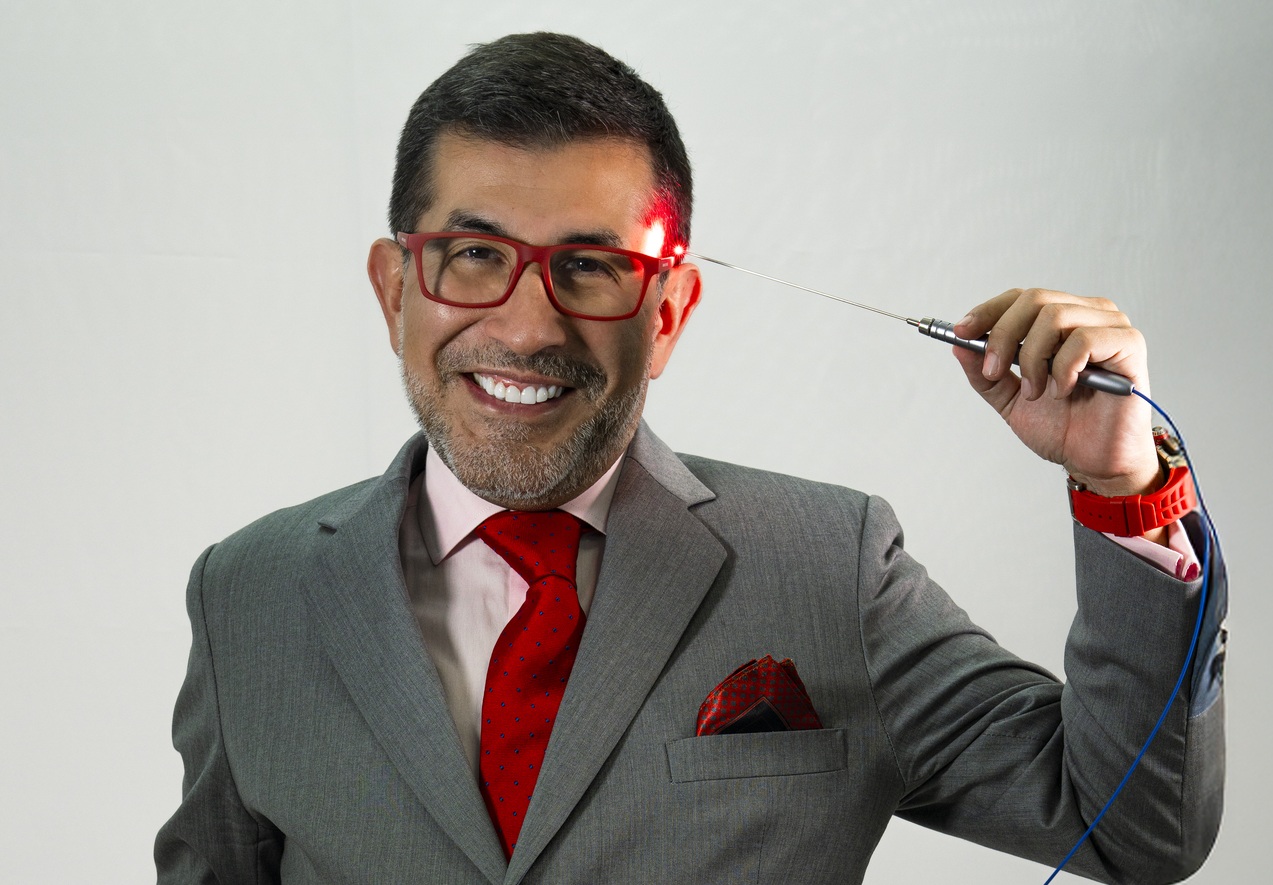
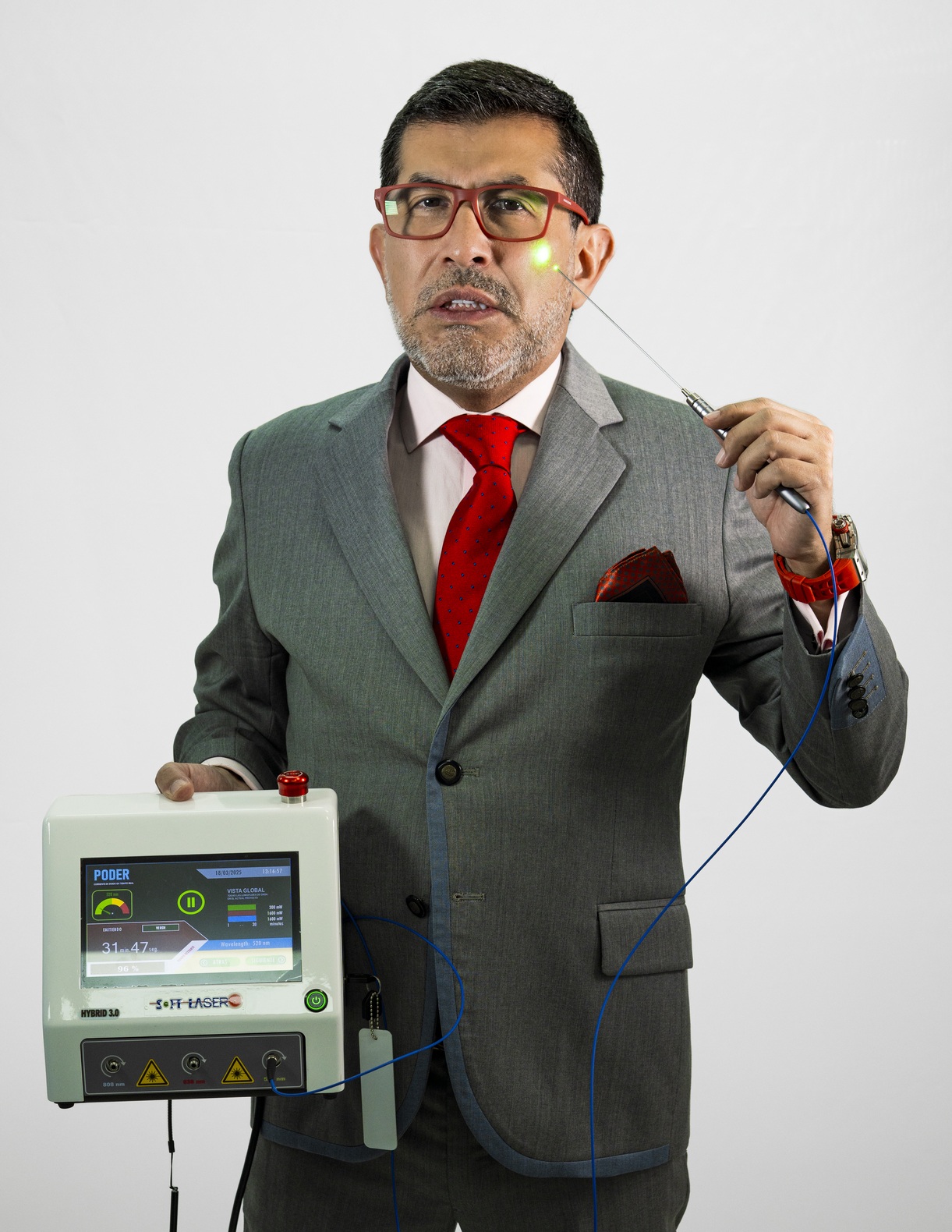
BOGOTá , CUNDINAMARCA, COLOMBIA, February 11, 2026 /EINPresswire.com/ -- As rates of overweight and obesity continue to rise across Latin America, clinicians are increasingly focused on approaches that prioritize long-term health outcomes—cardiometabolic risk reduction, improved mobility, and durable behavior change—over short-lived weight-loss narratives. In that evolving landscape, laser-assisted, minimally invasive techniques are drawing renewed attention as adjunct options that may support selected patients when used within structured medical pathways, according to Dr. Gabriel Cubillos, a Colombian physician and surgeon who has worked for more than three decades on clinical strategies related to overweight, obesity, and healthy aging.
“Obesity is not a single-variable issue,” Dr. Cubillos said. “It is chronic, multifactorial, and often relapsing. Technology may be useful in carefully selected cases, but it does not replace medical assessment, informed consent, and follow-up. The safest results come from a plan that is individualized and monitored.”
Dr. Cubillos, founder and Scientific Director of Clínica Obesidad y Envejecimiento with operations in Bogotá and Mexico City, has focused on integrating minimally invasive tools with patient evaluation and longitudinal support. He has also participated in clinical education activities involving laser-based technologies and has referenced peer-reviewed publications and clinical datasets related to laser-assisted techniques and obesity medicine topics.
A shifting public health conversation: obesity as a chronic condition
For many patients, the word “obesity” still arrives with stigma—treated as a cosmetic issue or a personal failure rather than a complex health condition influenced by biology, environment, and behavior. Clinicians working in obesity-related care emphasize a different reality: obesity is associated with increased cardiometabolic risk, reduced quality of life, and functional limitations that can accumulate over time.
In clinical settings, patients often report a long history of repeated dieting cycles and inconsistent results. Some have tried multiple programs without follow-up; others have experienced short-term success followed by regain, leading to frustration and disengagement from care. Dr. Cubillos argues that this pattern is one reason responsible medical messaging is increasingly focused on structured planning, measurable goals, and continuity of support.
“When patients feel judged, they tend to avoid care,” he said. “When they feel supported—with clear steps and realistic expectations—they engage. That engagement is essential, because sustainable change in obesity care typically requires time and follow-up.”
He added that obesity care is often most effective when it is designed as a pathway rather than a single event. Depending on the patient’s profile and comorbidities, that pathway may include clinical evaluation, nutrition strategy, physical activity planning, sleep optimization, stress management, and—when appropriate—pharmacological therapy or procedural interventions. In this context, minimally invasive approaches are viewed as potential tools, not stand-alone solutions.
What “laser-assisted” means in minimally invasive treatment contexts
Public interest in laser technology has grown across medical and aesthetic contexts, but experts note that the term “laser” can be misused in advertising and misunderstood by patients. In clinical practice, laser modalities and energy-based systems vary, and their role depends on indication, protocol, and patient selection.
In body-contouring and fat-reduction contexts, laser-assisted approaches such as laser lipolysis have been explored to address adipose tissue through small incisions with the goal of supporting contour outcomes and recovery, depending on the method and the clinical circumstances. Dr. Cubillos describes laser-assisted tools as potentially relevant within certain minimally invasive frameworks, while emphasizing that obesity-related health outcomes depend on broader medical planning.
“A device does not treat a person,” he said. “A clinician treats a person—using tools when they are appropriate. The question is always: does this intervention make sense for this patient, at this time, and under these safety conditions?”
He also noted that terminology influences patient expectations. “If a patient believes a procedure will ‘solve’ obesity without changes in behavior or medical follow-up, expectations become unsafe,” he said. “If the patient understands that an intervention can support a broader plan, the conversation becomes more responsible.”
A core focus: candidate selection, safety standards, and follow-up
Dr. Cubillos emphasized that minimally invasive options are not universally appropriate and that patient selection is central to safety. Candidate selection typically involves assessing medical history, metabolic and cardiovascular risk, medication use, functional status, and factors that influence adherence and recovery. It also requires a discussion of realistic outcomes and limitations, including the difference between body contour changes and obesity management as a long-term health condition.
“Responsible medicine requires saying ‘not yet’ or ‘not for you’ when needed,” he said. “That is often the safest decision. No procedure should be framed as a default option.”
He added that safety is shaped by the system around the intervention: clinical infrastructure, credentialed staff, consent processes, complication management, and post-procedure monitoring. “Minimally invasive is not the same as minimal responsibility,” he said. “Even if an incision is small, the standards must be large.”
Dr. Cubillos also highlighted follow-up as a defining feature of responsible care. “In obesity-related care, follow-up is not an accessory,” he said. “It is part of treatment. Without it, short-term improvements may not translate into durable outcomes.”
A guiding principle: reducing tissue trauma when clinically appropriate
In public discussions, minimally invasive approaches are sometimes framed as purely cosmetic preferences. Dr. Cubillos argues the clinical logic is broader: reducing tissue trauma, where medically appropriate, can support recovery experience and patient adherence to care plans.
“The idea is not to ‘avoid’ medicine,” he said. “It is to apply the least aggressive effective approach when the patient profile allows it.”
He summarizes his philosophy with a principle he has repeated publicly: “The best scar is the one you don’t make.” In clinical terms, he said, smaller incisions and reduced disruption may improve patient comfort and reduce downtime in certain contexts—though he stresses this must never override clinical judgment.
“If a more comprehensive intervention is medically indicated, then the plan must follow the diagnosis,” he said. “Technique should follow diagnosis—not marketing.”
Research and evidence: moving the conversation beyond anecdotes
As patient interest in technology-driven interventions grows, clinicians and journalists face the challenge of distinguishing measured clinical information from persuasive, simplified narratives. Dr. Cubillos said that for public communication to be useful, it should be grounded in evidence and transparent about limitations.
In his professional profile, Dr. Cubillos references peer-reviewed publications and clinical datasets related to laser-assisted approaches in minimally invasive contexts, including datasets reported in scientific outlets and discussions about obesity medicine. He has also referenced research on longer-term questions in obesity care, such as weight regain after metabolic surgery—an issue that underscores the need for sustained planning and monitoring rather than one-time interventions.
“Obesity care has taught us that biology matters and behavior matters,” he said. “Even after major interventions, outcomes can change over time. That’s why a plan must include maintenance, not just initiation.”
He added that research should be interpreted as a guide to refine indications and protocols—not as proof of universal outcomes. “A dataset can inform a protocol,” he said. “It cannot replace individual evaluation. The patient in front of you is not a statistic.”
The role of education and standardization in safer adoption
Dr. Cubillos has been involved in professional education activities related to laser-based technologies and has stated that he has trained thousands of physicians and surgeons in specific protocols and techniques. He views training as a key factor in safer adoption of minimally invasive tools.
“Innovation spreads quickly,” he said. “Standards spread when people invest in training, ethics, and protocol discipline.”
He noted that education should include more than technical steps. “Training must cover who is a candidate, who is not, how to manage risk, and how to monitor outcomes,” he said. “The ‘how’ is important, but the ‘who’ is just as important.”
What patients should ask before considering any minimally invasive option
For the general public, Dr. Cubillos recommends focusing on questions that clarify medical appropriateness and safety rather than relying on social media claims. He suggests patients ask:
What is my diagnosis and risk profile, and how does it influence treatment options?
What are the indications and contraindications for this intervention in my case?
What outcomes are realistic, and how will progress be measured over time?
What are the risks and potential complications, and how are they managed?
What follow-up plan is included, and how long will monitoring continue?
“A serious clinical team should welcome these questions,” he said. “If a provider avoids them or relies on guarantees, that should concern a patient.”
He also advised patients to verify credentials and avoid interpreting “minimally invasive” as “risk-free.” “Every medical intervention has potential risks,” he said. “The goal is to minimize risk through assessment, standards, and follow-up.”
Why interest in minimally invasive approaches is increasing
The increasing interest in minimally invasive procedures reflects broader trends: demand for shorter recovery time, improved clinical tools, and patients who want medical care that fits into modern life. In obesity-related contexts, this intersects with stigma and emotional burden—factors that can delay care.
Dr. Cubillos said that respectful clinical communication can be as important as the procedure itself. “When obesity is treated as a health condition without shame, patients are more likely to enter structured care,” he said.
He also noted that minimally invasive options can sometimes serve as an entry point into broader health management for patients who feel overwhelmed by longer pathways—provided the clinical plan remains comprehensive. “For some patients, a carefully monitored step can create momentum,” he said. “But the plan must still address habits, metabolism, and follow-up.”
Media relevance: separating medical information from promotional messaging
As newsrooms increasingly scrutinize health content, editors often look for material that is clearly informational, avoids sales language, and offers a newsworthy perspective—especially when discussing technology that is frequently marketed online.
Dr. Cubillos said he supports editorial framing that explains both the potential role and the limitations of minimally invasive, laser-assisted approaches. “The purpose should be public understanding,” he said. “Patients should learn what questions to ask and how to make safer decisions. If the message is only ‘buy this,’ it isn’t health communication—it’s advertising.”
He added that responsible coverage can reduce harm by discouraging unregulated providers, unrealistic expectations, and rushed decision-making. “A well-informed patient is more likely to seek proper evaluation and less likely to be misled by shortcuts,” he said.
Looking ahead: technology as a complement within long-term care
Dr. Cubillos expects minimally invasive tools, including laser-assisted approaches, to continue evolving alongside broader advances in obesity medicine. But he emphasized that progress should be measured by outcomes and safety—not by hype.
“The future is not technology-first,” he said. “It’s patient-first. Technology is one tool—useful when indicated, unsafe when misapplied, and meaningless without follow-up.”
He summarized the direction he believes obesity-related care should take: clear diagnosis, individualized planning, transparent consent, ethical messaging, and continued monitoring. “If we can support patients in reducing risk and improving function—while applying less invasive options when clinically appropriate—that is progress,” he said. “But progress requires medical rigor and accountability.”
About Dr. Gabriel Cubillos
Dr. Gabriel Cubillos is a Colombian physician and surgeon with more than 30 years of experience in clinical work related to overweight, obesity, and healthy aging, including minimally invasive, laser-assisted approaches in selected cases. He is the founder and Scientific Director of Clínica Obesidad y Envejecimiento, with operations in Bogotá and Mexico City. His professional background includes participation in medical training activities involving laser-based technologies and references to peer-reviewed publications and clinical datasets related to minimally invasive techniques and obesity medicine topics.
Dr Gabriel Cubillos
Dr Gabriel Cubillos
+57 322 223 7493
email us here
Visit us on social media:
Instagram
Facebook
Legal Disclaimer:
EIN Presswire provides this news content "as is" without warranty of any kind. We do not accept any responsibility or liability for the accuracy, content, images, videos, licenses, completeness, legality, or reliability of the information contained in this article. If you have any complaints or copyright issues related to this article, kindly contact the author above.
